
Remodelers Nepal
We believe that every homes has the potential to be a masterpiece, lets us help you to unlock yours.
We believe that every homes has the potential to be a masterpiece, lets us help you to unlock yours.
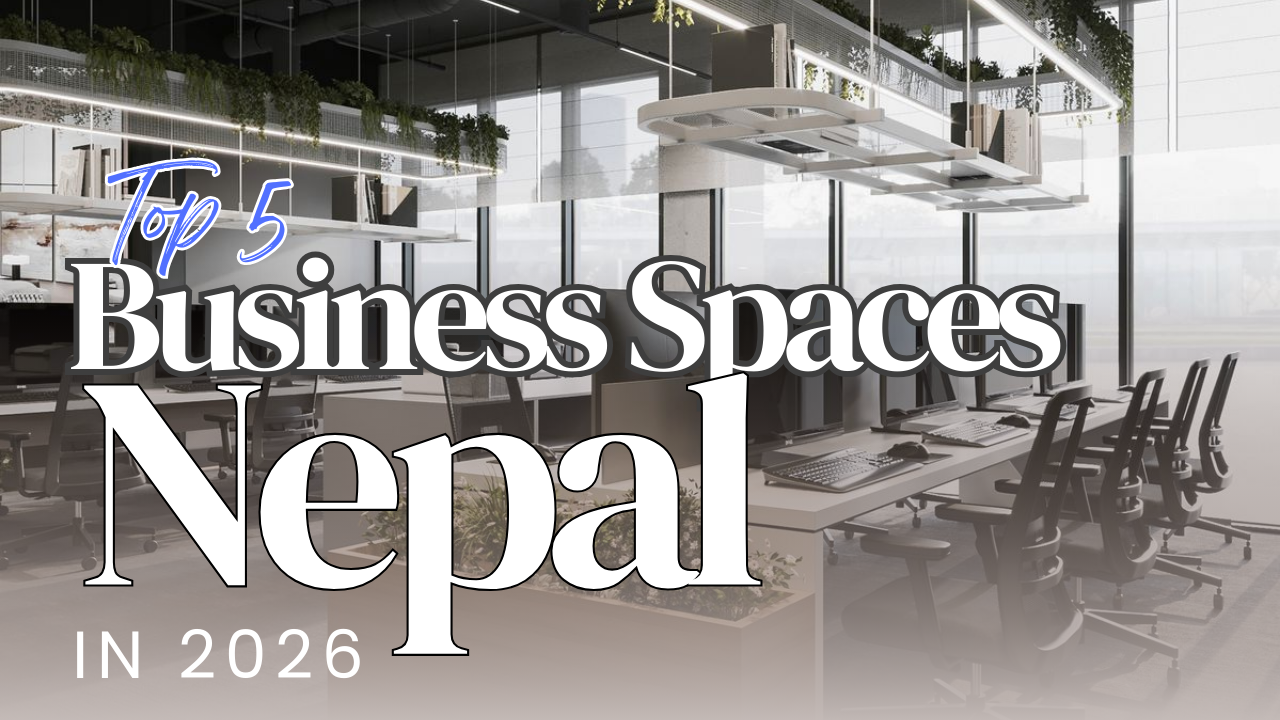
A few years ago, a client told us something very honest.
“Office banako ta ho… tara man lagdaina basna.”
That one line explains the real problem many businesses face today.
The space looks fine on paper.
The budget was spent.
But the space doesn’t work.
As we move towards 2026, business spaces in Nepal are changing fast. Not because of trends, but because people’s expectations have changed—employees, customers, and even business owners.
So, what kind of business spaces will actually matter in 2026?
Let’s talk about the top 5 business spaces that will make sense—not just look good.
Let’s be honest.
Most offices don’t need marble floors or glass cabins everywhere.
What they need is flexibility.
In 2026, the most successful offices will be:
Easy to rearrange
Comfortable for long working hours
Designed for both teamwork and quiet focus
We’re seeing this already in Kathmandu. Teams come in some days, work remotely on others. Fixed seating doesn’t make sense anymore.
Shared desks
Small meeting corners
Quiet rooms for calls
A few comfortable breakout areas
Ask yourself:
Do your employees actually enjoy working in your office—or are they counting hours to leave?
Good business space design in Nepal now focuses on how people feel inside the space, not just how it looks.
Retail is changing. Customers don’t just come to buy.
They come to experience.
Whether it’s a clothing store, electronics showroom, or jewelry shop—people notice:
Lighting
Space between products
Ease of movement
Comfort while browsing
We’ve seen shops with great products struggle simply because customers felt cramped or confused.
Guide customers naturally
Feel open, not crowded
Use warm lighting and clear zoning
Tell a brand story without shouting
A well-designed business space builds trust.
And trust leads to sales.
Think about it:
Would you enjoy spending 20 minutes inside your own store?
People don’t just eat anymore.
They sit. They talk. They work. They take photos.
In 2026, cafés and restaurants that succeed will feel:
Comfortable
Personal
Easy to stay longer in
We’ve noticed something interesting.
Places with simple but thoughtful interiors often perform better than over-designed ones.
Seating comfort
Noise control
Warm materials
Lighting that flatters people (and food)
When customers feel relaxed, they stay longer.
When they stay longer, business grows.
Ask yourself:
Does your space invite people to stay—or quietly push them out?
Clinics, salons, gyms, consultancies—these spaces run on trust.
If a space feels chaotic, poorly lit, or uncomfortable, people subconsciously doubt the service—even if it’s excellent.
In 2026, wellness and service spaces will focus on:
Clean layouts
Calm colours
Clear movement paths
Privacy where it matters
We’ve worked on spaces where just fixing lighting and layout changed how customers behaved—more confidence, more repeat visits.
Design doesn’t shout here.
It quietly reassures.
And reassurance is powerful.
This is a big one.
We’re seeing more businesses combine functions:
Office + showroom
Studio + workspace
Office + client lounge
Why? Because space is expensive, and businesses want value from every square foot.
In 2026, smart business spaces in Nepal will:
Serve multiple purposes
Change throughout the day
Support both work and interaction
These spaces don’t feel rigid.
They feel alive.
And that energy shows—employees feel it, clients sense it.
The future of business space design in Nepal isn’t about copying trends from abroad.
It’s about asking better questions:
How do people move here?
How long do they stay?
How do they feel when they enter?
Does this space support growth—or slow it down?
Good design doesn’t just fill space.
It supports business, people, and long-term trust.
If you’re planning a new space or thinking of renovating an old one, don’t rush into finishes and furniture.
Start with this simple question:
“Is this space helping my business—or just existing?”
At Remodelers Nepal, we believe good spaces are built by listening first—then designing with purpose.
If you ever want to talk through ideas, challenges, or even confusion around your business space, that conversation itself is a good place to start.
Sometimes, clarity comes before construction.

Advance in technology. Have a significant impact on possible home renovation idea. Particularly when it comes to renovation idea within the planning stage we are here to make your old building into new, comfort home.
@copy All Right Reserved.